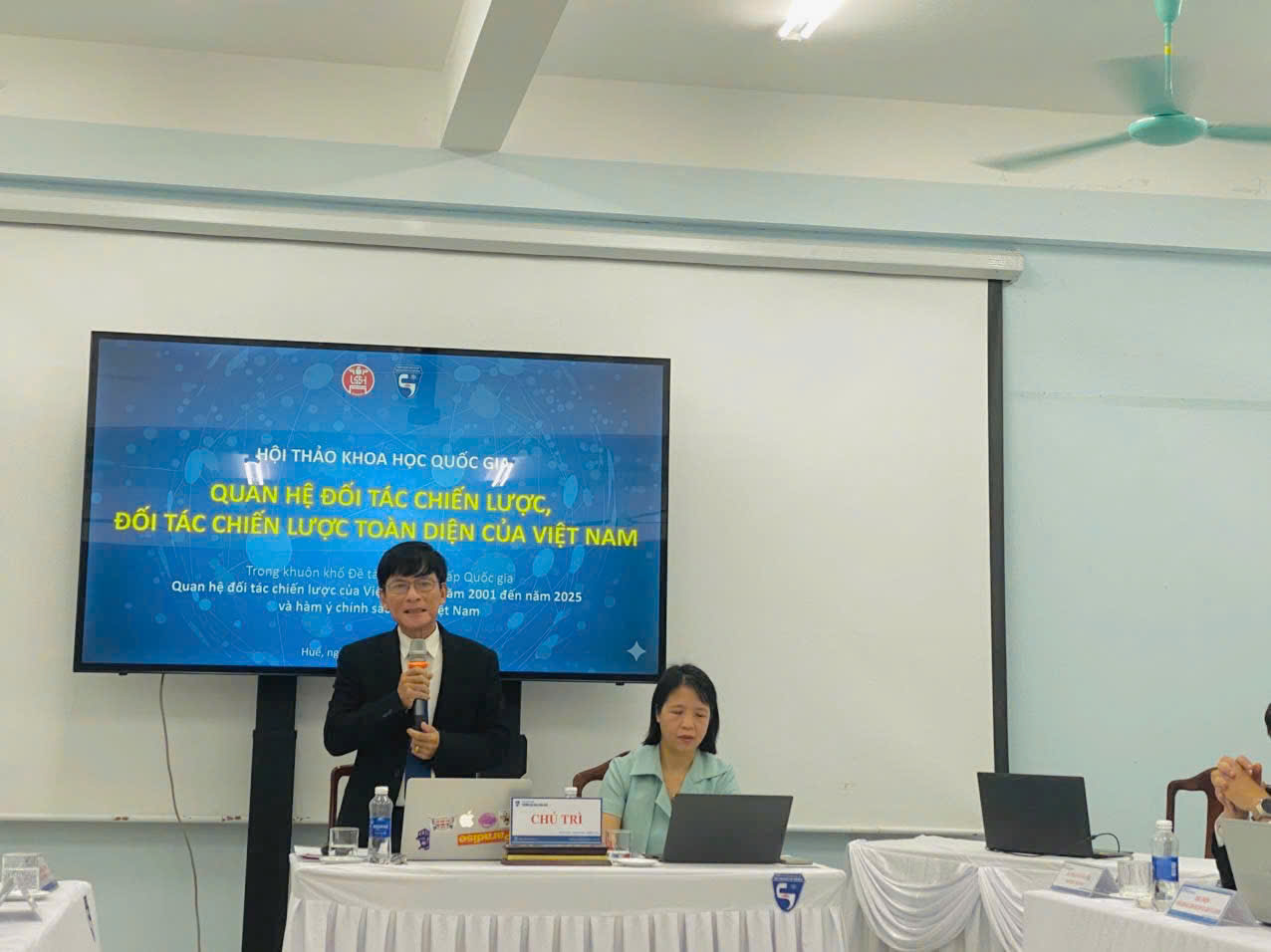
Scientific workshop on "Vietnam's Strategic Partnerships and Comprehensive Strategic Partnerships"
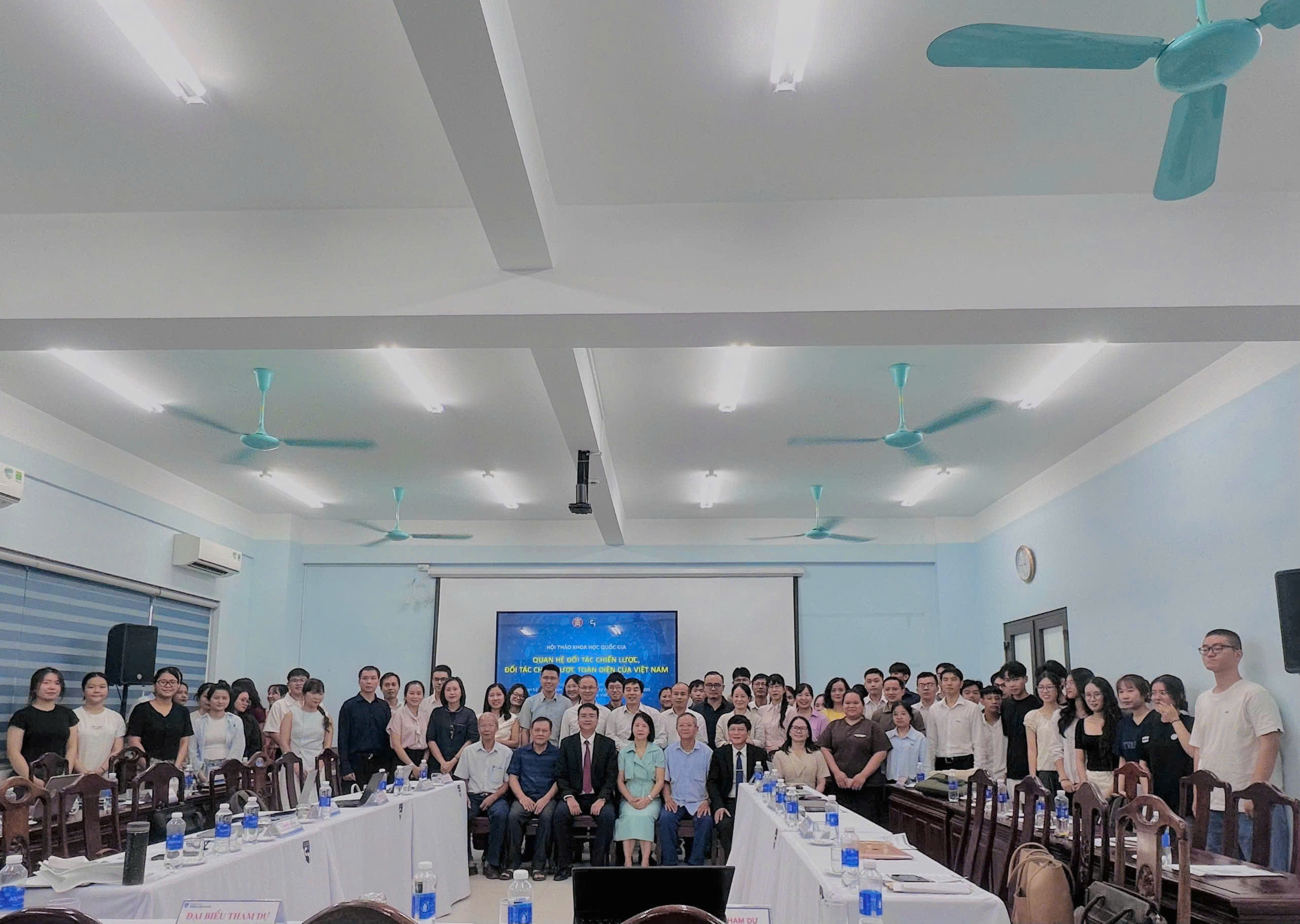
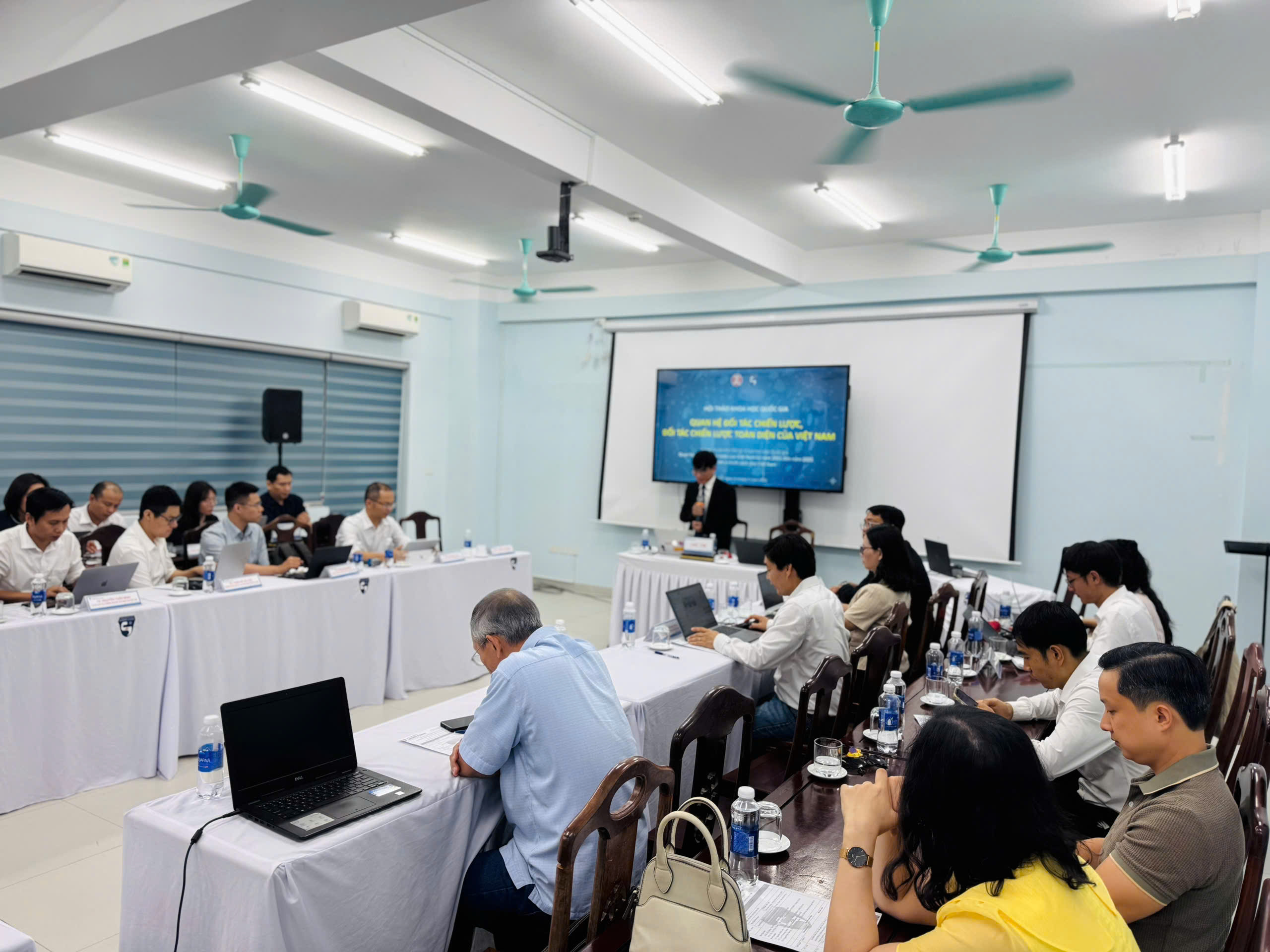
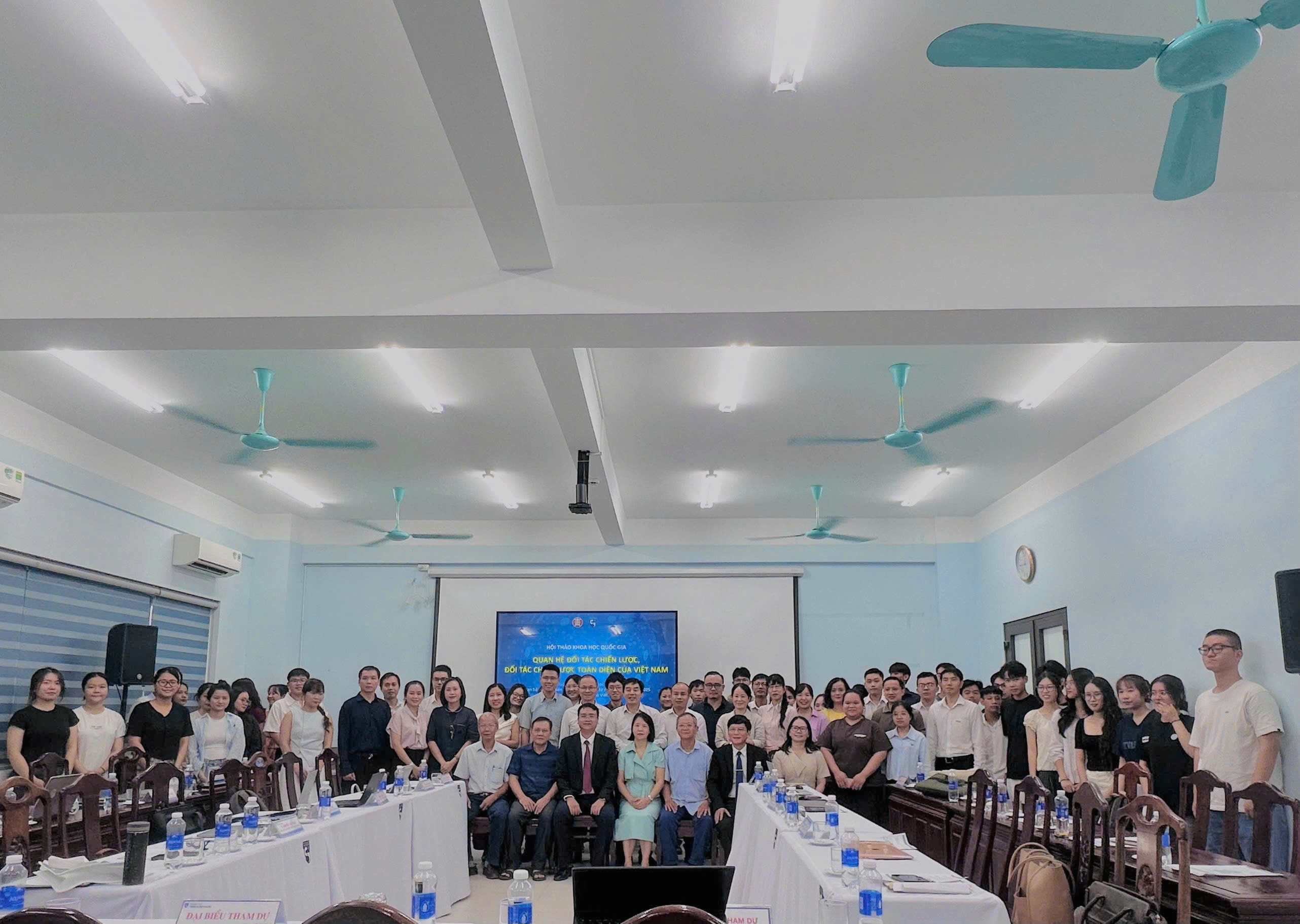
On 15 May 2026, the University of Sciences (HUSC), Hue University, in coordination with the University of Social Sciences and Humanities, Vietnam National University, Hanoi, held a scientific workshop themed "Vietnam's Strategic Partnerships and Comprehensive Strategic Partnerships". The workshop was co-chaired by Assoc. Prof. Hoang Van Hien and Assoc. Prof. Tran Thien Thanh and attracted the participation of numerous scientists, lecturers, and experts researching international relations and foreign policy.
This was an important activity within the framework of the national-level scientific research project "Vietnam's Strategic Partnerships from 2001 to 2025 and Policy Implications for Vietnam" chaired by Assoc. Prof. Tran Thien Thanh.
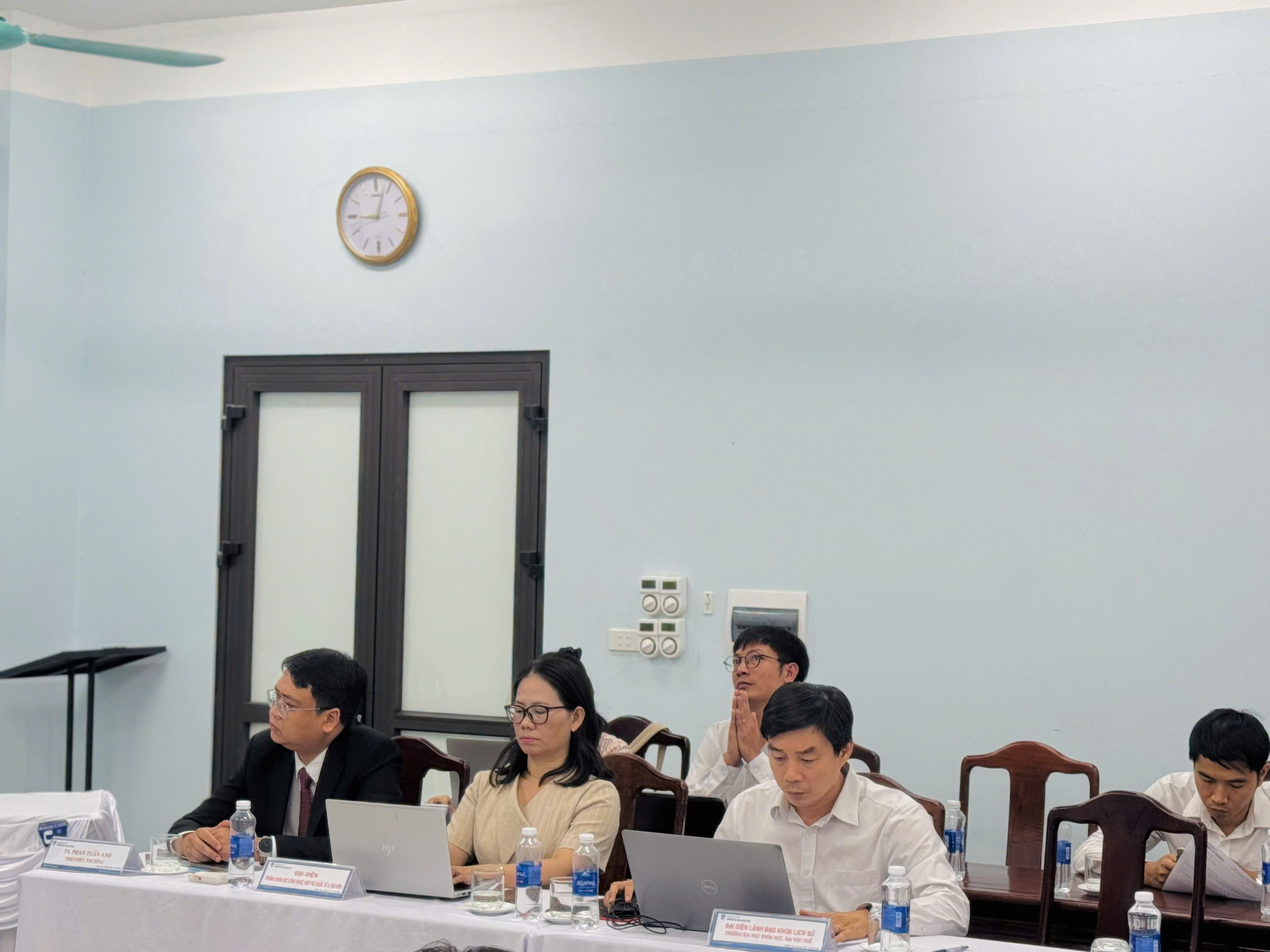
In his opening remarks, Dr. Phan Tuan Anh, Vice Rector of HUSC emphasized that, amid profound changes in the global and regional situation, research on the formation, development, and upgrading of Vietnam's strategic partnerships carries particularly important theoretical and practical significance. The workshop served as an academic forum for scientists and experts to exchange, analyze, and clarify various issues related to Vietnam's relations with major partners such as Russia, China, the United States, Japan, and Indonesia.
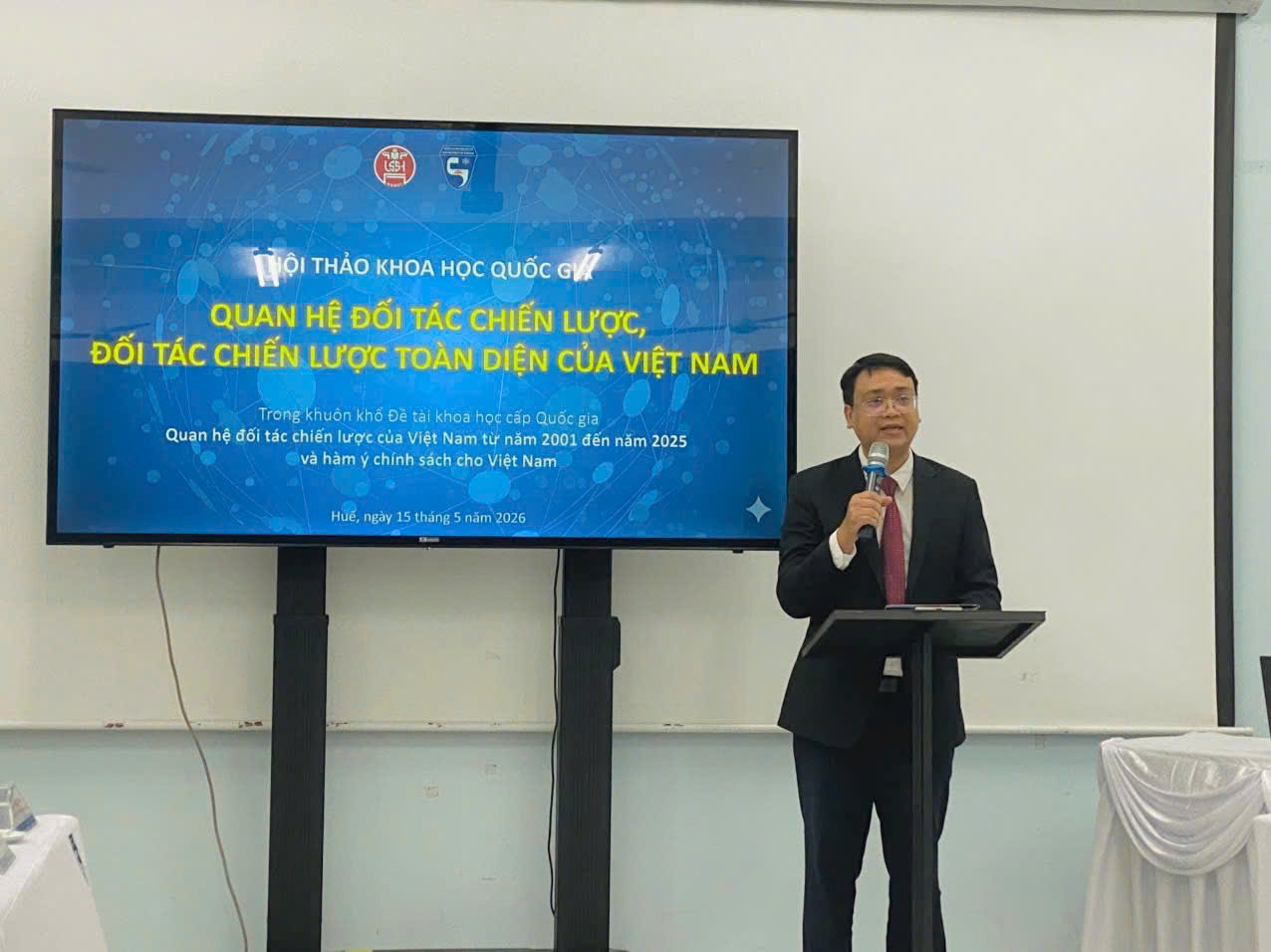
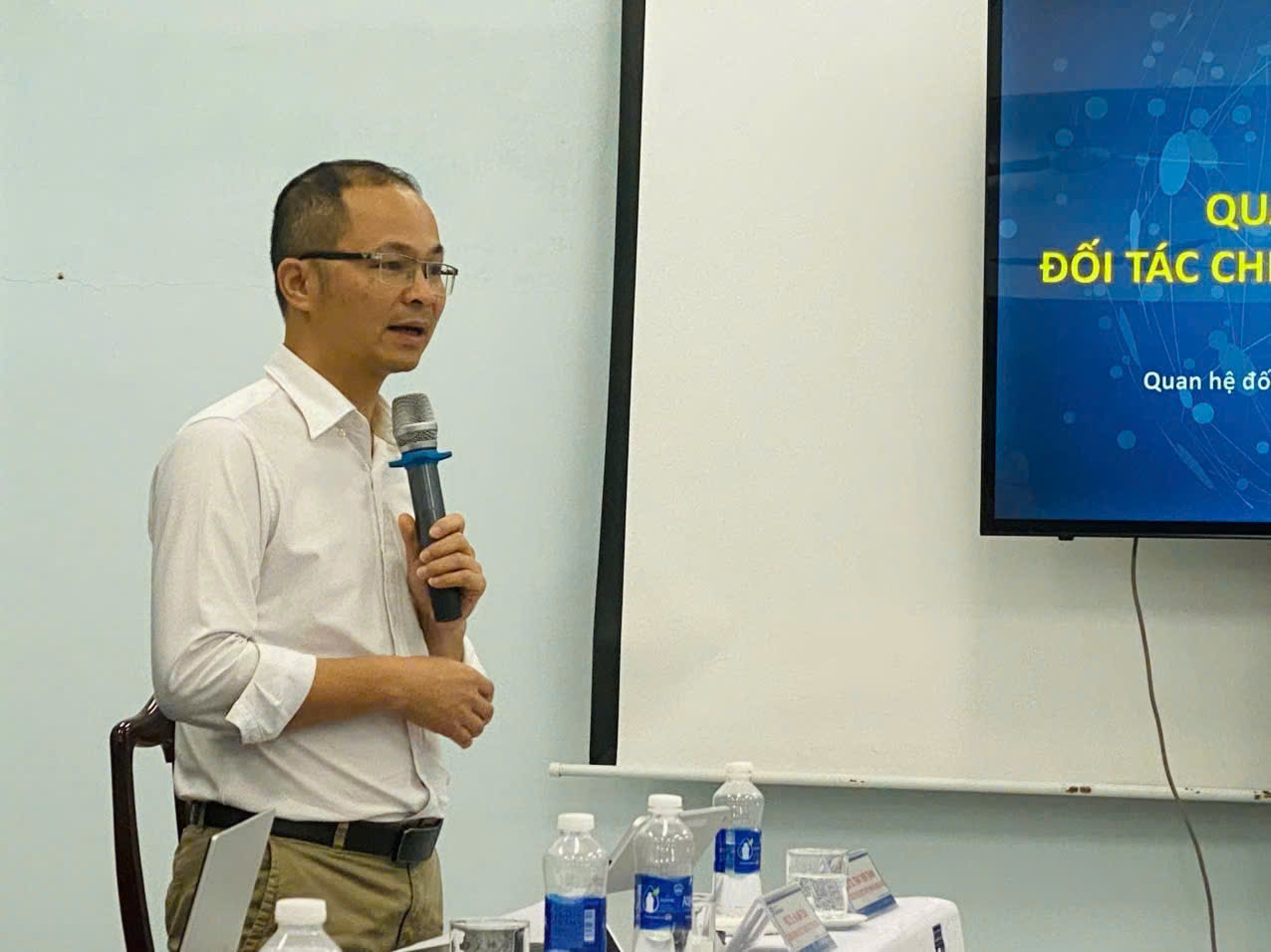
The workshop program consisted of two in-depth discussion sessions. The first session focused on clarifying the nature and evolution of Vietnam's strategic partnerships in the new era, while comparing Vietnam's experience with that of several countries in the region. Many papers analyzed the roles of major powers such as Russia and the United States in Vietnam's modernization and development process.
The second session focused on evaluating the effectiveness of implementing strategic partnerships and expanding the discussion to new areas of cooperation. Case studies involving the United States, Japan, Australia, and China offered many practical perspectives. In particular, cooperation in the fields of semiconductors and rare earths – areas currently playing a strategic role in global technology competition – attracted considerable interest from the attending delegates.
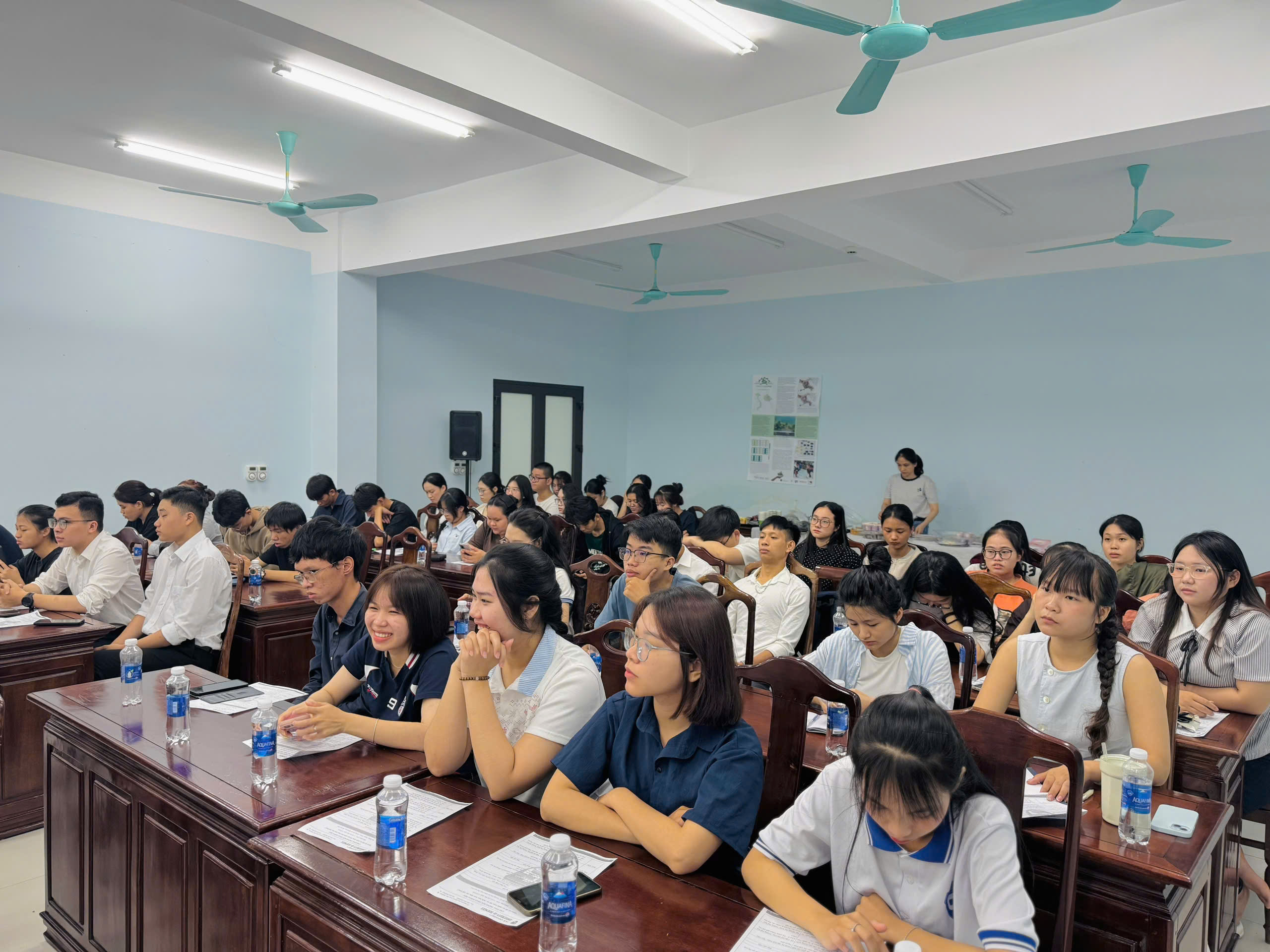
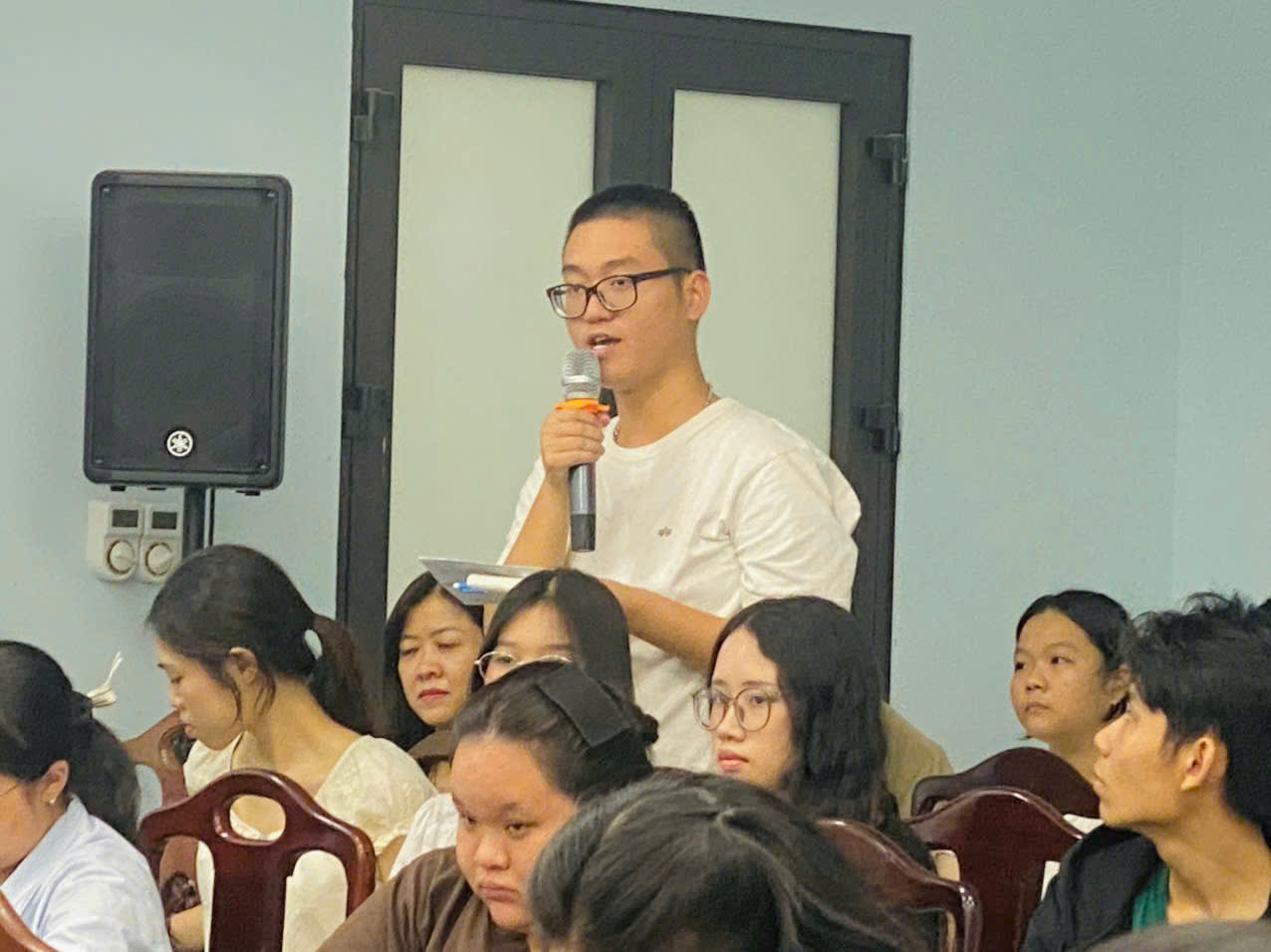
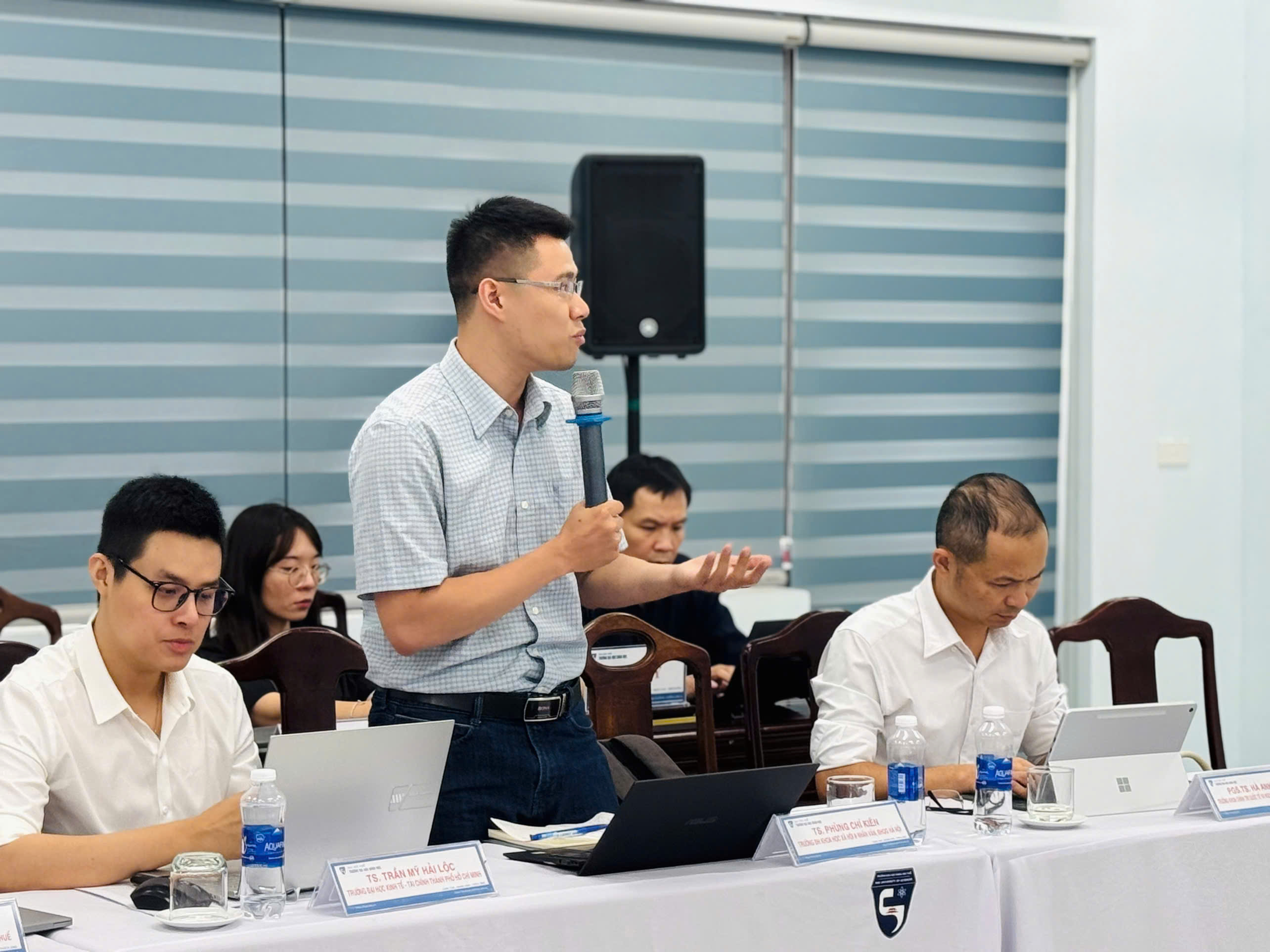
The workshop attracted many scientists, lecturers, and researchers who took part in the exchange and discussion. The views expressed at the workshop helped clarify new developments in Vietnam's foreign policy, while also providing an additional scientific basis for future policy-making.
The results and scientific arguments obtained from the workshop not only serve the national-level research task but also suggest many important policy implications for Vietnam in the process of integration and development in the new period.